ALIGN
MANUAL THERAPY
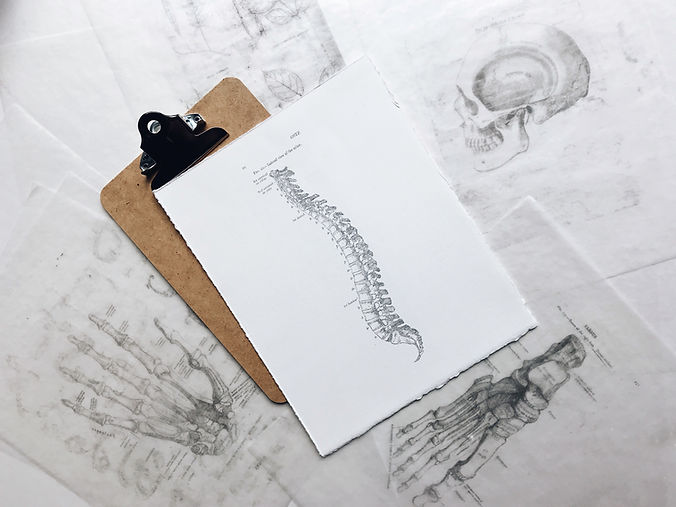
Postural Dysfunction
CONDITION / PROBLEM
Postural dysfunction refers to altered movement and positioning strategies that develop over time and may contribute to discomfort, tension, reduced mobility, and inefficient body mechanics.
Posture is not simply standing “straight”—it is the body’s ability to adapt and distribute load effectively across different positions and activities. When certain areas become overworked or underutilized, the body may develop compensatory patterns that influence comfort and movement throughout the system.
Manual therapy focuses on supporting improved movement quality, reducing excessive tension, and helping restore greater ease and balance in how the body functions.
FAQ
COMMON SYMPTOMS
Clients experiencing postural dysfunction may notice:
-
Neck and shoulder tension
-
Upper or lower back discomfort
-
Feeling stiff after sitting or standing
-
Frequent muscle tightness or fatigue
-
Headaches associated with tension patterns
-
Difficulty maintaining comfortable posture
-
Reduced mobility or flexibility
-
Uneven loading through the body
-
Feeling better after moving but symptoms returning later
HOW DYSFUNCTION DEVELOPS
Postural dysfunction may develop from several interacting factors, including:
-
Prolonged sitting or repetitive daily positions
-
Work and screen-related habits
-
Previous injury or compensation patterns
-
Reduced movement variety throughout the day
-
Chronic muscle guarding
-
Movement avoidance due to discomfort
-
Stress and increased protective tension
-
Changes in strength and mobility over time
The body naturally adapts to demands placed on it—but over time, those adaptations can become less efficient and contribute to ongoing discomfort.
HOW MANUAL THERAPY MAY HELP
Manual therapy is designed to support improved movement and reduce excessive restrictions that may contribute to postural strain.
Potential benefits may include:
-
Reducing areas of excessive tension
-
Supporting greater ease of movement
-
Improving awareness of movement patterns
-
Encouraging more balanced load distribution
-
Supporting mobility throughout connected regions
-
Creating more comfortable positioning strategies
The goal is not to force posture into a specific shape—it is to help the body move with greater adaptability and less strain.
WHAT MY APPROACH IS
My approach to postural dysfunction looks at how the body organizes movement as a whole.
Sessions may include:
-
Gentle hands-on manual therapy
-
Assessment of movement and compensation patterns
-
Evaluation of neck, shoulder, rib, pelvis, and fascial relationships
-
Structural and mobility considerations
-
Clothes-on treatment tailored to your presentation
Rather than focusing on appearance alone, treatment is directed toward supporting better function and reducing unnecessary strain.
WHAT CLIENTS EXPERIENCE
Clients often describe sessions as:
-
Feeling less held or restricted
-
Improved ease with standing and sitting
-
Greater awareness of body positioning
-
Reduced neck, shoulder, or back tension
-
Improved movement comfort
-
Feeling more balanced and connected during activity
Many people notice that when movement becomes easier, posture often improves naturally without constant effort.
WHO IT’S APPROPRIATE FOR
This approach may be helpful for individuals experiencing:
-
Chronic tension related to daily posture
-
Desk or computer-related discomfort
-
Recurring neck, shoulder, or back tightness
-
Reduced mobility and stiffness
-
Feeling “out of alignment” or uneven
-
Those seeking a gentle manual therapy approach to support movement and comfort
This work may also complement physical therapy, chiropractic care, corrective exercise, or other wellness and rehabilitation approaches.
If tension, stiffness, or discomfort is affecting how you sit, stand, or move through your day, book a manual therapy session and explore a gentle, hands-on approach focused on improving comfort, movement, and body function.